
Compliance Testing for Slot Machines: What Every Operator Needs Before Launch
Here's the reality: you can't legally operate slot machines without independent testing certification. No exceptions. Every jurisdiction requires third-party lab verification that your games meet mathematical fairness standards, security protocols, and technical specifications. Yet most operators underestimate how long this process takes and what it actually costs.
Compliance testing isn't a rubber stamp. It's a rigorous technical audit where labs dissect your game's RNG (Random Number Generator), verify payout percentages, test for security vulnerabilities, and confirm your software can't be manipulated. Think of it as the TSA screening for casino equipment - annoying, necessary, and absolutely required before you go anywhere.
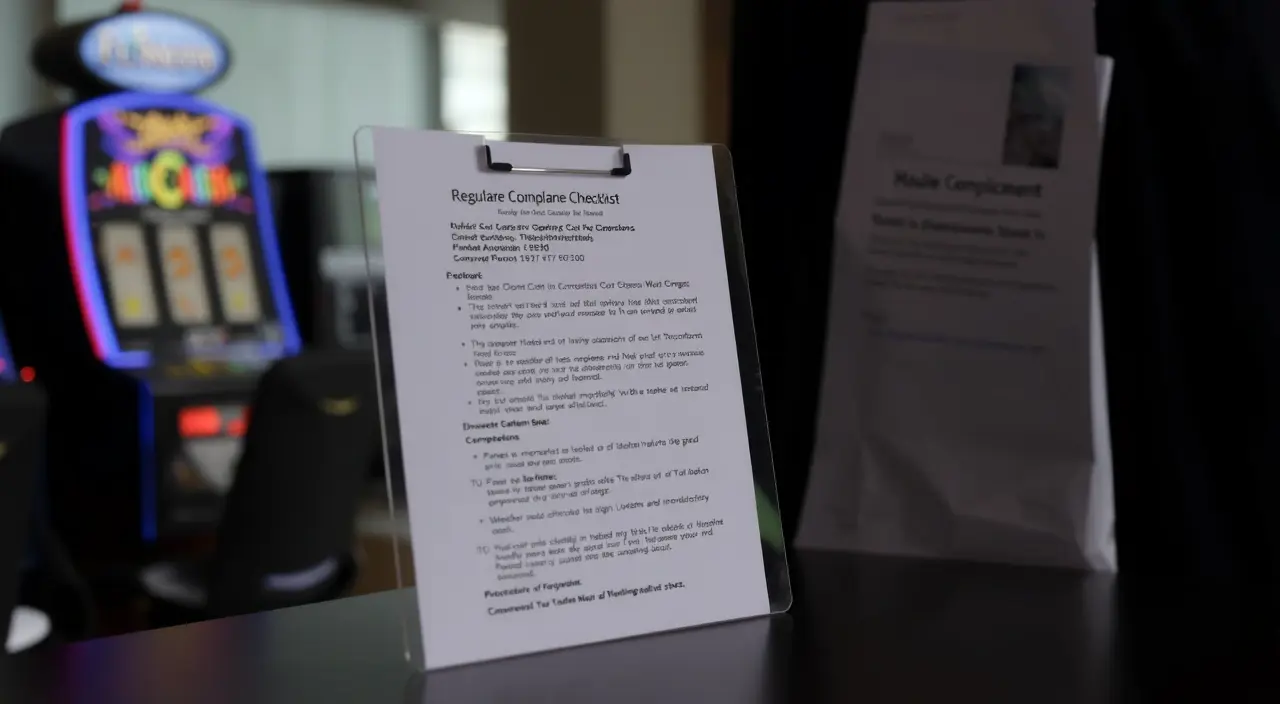
The typical testing timeline? 8-12 weeks for standard slots, longer if your game has novel mechanics or bonus features that make lab engineers raise eyebrows. Budget at least $15,000-$35,000 per game title, depending on complexity and which lab you choose. These numbers shock operators planning "quick" market entry.
Understanding Gaming Laboratory Standards
Not all testing standards are created equal. The gold standard is GLI-19 (Gaming Laboratories International Standard 19), which covers interactive gaming systems and is accepted in most regulated markets. But you'll also encounter Technical Standards Board (TSB) requirements, state-specific protocols, and tribal gaming commission standards that layer additional requirements on top.
What are labs actually testing? Five core areas:
- RNG Verification: Statistical analysis proving your random number generator produces truly unpredictable results. Labs run millions of game cycles looking for patterns or bias.
- Mathematical Accuracy: Confirmation that advertised RTP (Return to Player) percentages match actual game performance across extended play.
- Software Integrity: Security testing to ensure game code can't be tampered with, modified, or hacked by operators or players.
- Hardware Compliance: For physical slot machines, verification that components meet durability, accessibility, and safety standards.
- Communication Protocols: Testing that your games properly connect to casino management systems, accounting platforms, and regulatory reporting tools.
Each jurisdiction picks which standards apply. Nevada uses different criteria than New Jersey. Tribal casinos follow NIGC (National Indian Gaming Commission) guidelines. Check our state-by-state licensing requirements to see what testing applies to your target markets.
Choosing the Right Testing Laboratory
Four major labs dominate North American gaming certification: GLI (Gaming Laboratories International), BMM (BMM Testlabs), iTech Labs, and eCOGRA. Your jurisdiction likely pre-approves specific labs - you can't just pick whoever's cheapest.
Lab selection impacts more than cost. It affects timeline, how strictly they interpret standards, and whether their certification carries weight in multiple jurisdictions. GLI certification, for example, is accepted almost everywhere. A smaller regional lab might save money upfront but force you to retest for each new market.
What to ask potential labs:
- Which jurisdictions recognize your certifications without additional testing?
- What's your current backlog and realistic turnaround time?
- Do you charge per game or per math model (critical if you're launching variations)?
- What happens if games fail initial testing - do retests cost extra?
- Can you handle expedited testing if we pay premium fees?
Most operators stumble at question three. Labs charge differently for slot variations that share the same core math versus truly unique games. A 5-line version and 20-line version of the same slot might test as one submission, cutting costs significantly.
The Testing Submission Process
You don't just email game files and wait. Proper submission requires specific documentation, technical specifications, and often physical hardware samples. Miss a required document and your testing timeline resets to zero.
Required submission materials typically include:
- Complete game software in executable format plus source code access
- Mathematical models and PAR sheets showing theoretical game performance
- Technical manuals documenting all game features, bonus rounds, and special mechanics
- Communication protocol documentation for system integration
- Hardware specifications if submitting physical slot cabinets
- Compliance matrix showing how your game meets each regulatory standard
That last item - the compliance matrix - separates prepared operators from amateurs. It's a detailed crosswalk document mapping every regulatory requirement to specific game features. Labs love this because it speeds their review. You benefit from fewer clarification requests and faster turnaround.
"We saved three weeks by submitting a complete compliance matrix upfront. The lab had zero questions during initial review and moved straight to technical testing." - Casino Equipment Director, Regional Gaming Chain
What Happens During Active Testing
Once labs accept your submission, expect limited communication. They're running extended play simulations, analyzing millions of game outcomes, and stress-testing edge cases. You won't get daily updates.
Labs typically find issues. It's rare for complex games to pass first-time without revision requests. Common problems include RNG seeding vulnerabilities, bonus feature math that doesn't match documentation, or edge cases where games behave unexpectedly. The lab issues a deficiency report listing required fixes.
This is where costs spiral. You fix the issues, resubmit, and testing restarts. Each iteration adds 2-4 weeks and potentially additional fees. Smart operators build buffer time and budget for at least one revision cycle. Our equipment compliance checklist helps catch common issues before submission.
Field Trial Requirements
Passing lab testing doesn't mean you're done. Many jurisdictions require field trials - actual operational testing in a live casino environment under regulatory observation. Nevada mandates field trials for new game types. New Jersey requires them for novel technology. Tribal commissions often want to see games perform in real conditions before full approval.
Field trials add another 30-90 days to your timeline. You'll need a host casino willing to dedicate floor space to unproven games, regulatory staff scheduling site visits, and documentation proving games perform as tested. Budget for this phase or risk surprise delays right before launch.
Maintaining Ongoing Compliance
Certification isn't permanent. Game modifications, software updates, or hardware changes trigger recertification requirements. Even minor tweaks to payout tables or bonus features mean retesting. Labs charge for these change assessments, and regulators expect you to report modifications promptly.
Set up internal change control processes now. Document every software version, maintain records of what's certified where, and implement approval workflows before pushing updates. Many operators accidentally violate compliance by updating games without realizing they've invalidated certification.
Annual recertification is common in some markets. Your games undergo periodic retesting to confirm they still meet standards and haven't drifted from certified specifications. Factor these ongoing costs into operational budgets.
Cost Management Strategies
Testing costs add up fast, especially if you're launching multiple game titles. Here's how experienced operators control expenses:
Bundle submissions: Labs often discount multi-game submissions. Test your full portfolio at once rather than piecemeal.
Leverage existing certifications: If you're licensing games from established suppliers, confirm they have current lab certificates. You might only need jurisdictional endorsement rather than full retesting.
Start with primary markets: Get certified in your largest revenue jurisdictions first. Some smaller markets accept certification from major regulators without additional testing.
Use test preparation services: Specialized consultants can pre-audit games, identify likely deficiencies, and help prepare bulletproof submission packages. The upfront cost saves money by avoiding revision cycles.
For comprehensive planning around testing timelines and costs, review our gaming machine permit application process which integrates testing into the full licensing roadmap.
Getting Started with Compliance Testing
Start the testing process before you think you're ready. Seriously. Labs have backlogs, games fail initial submission, and jurisdictional approvals move slower than anyone predicts. Operators planning Q1 launches should initiate testing by previous summer.
Your first step is jurisdictional research. Different markets require different testing depths. Tribal casinos might accept streamlined testing. Commercial casinos in Nevada demand exhaustive review. Multi-state operators need strategies for efficient certification across jurisdictions.
Need help navigating which testing applies to your situation? Our team has guided 500+ operators through compliance certification across every major gaming market. We know which labs work fastest for which game types, how to structure submissions for quick approval, and where you can legitimately cut corners without cutting compliance. Visit our slot machine licensing and compliance resources or schedule a consultation to map your specific testing requirements.
Compliance testing feels like a bottleneck. But it's the foundation of legitimate gaming operations. Do it right once, and you'll have certification that opens markets nationwide.