
Equipment Compliance Checklist - What Gaming Regulators Actually Inspect
Here's what kills most licensing applications: operators submit gorgeous business plans, perfect financials, clean background checks - then fail equipment compliance. The slot machines themselves didn't pass muster. I've watched $50K+ applications crash because someone thought "certified in Nevada" meant "certified everywhere." It doesn't work that way.
Gaming equipment compliance isn't about checking boxes on a form. It's about proving your machines meet specific technical standards that vary wildly by jurisdiction. Some states accept GLI-19 certification and call it done. Others demand independent testing by their approved labs, even if you're already certified elsewhere. Think of this checklist as your pre-flight inspection - miss one item, and you're not taking off.
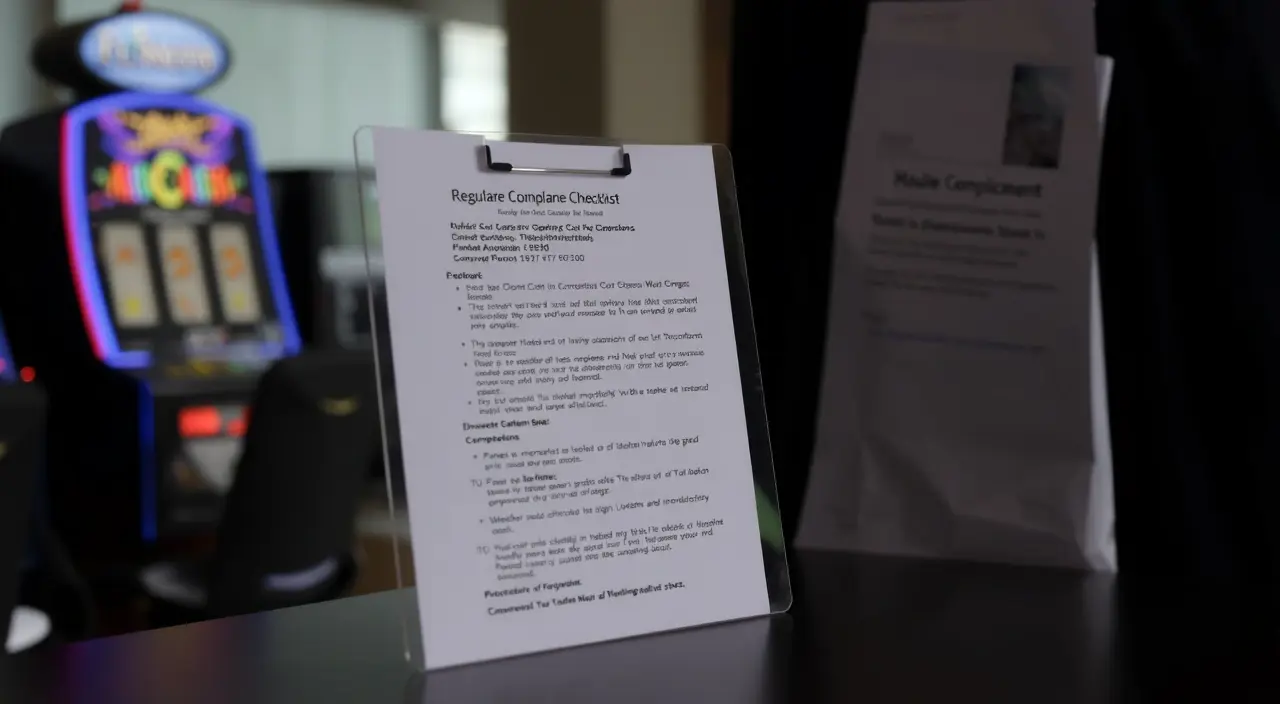
The reality nobody mentions: equipment compliance can take longer than getting your operator license approved. Testing labs have 60-90 day backlogs during peak seasons. Factor that into your timeline, or watch your launch date slip while competitors go live.
Technical Standards Requirements - The Non-Negotiables
Every jurisdiction publishes technical standards. Most operators skim them. Big mistake. These documents spell out exactly what regulators will test, from RNG algorithms to payout percentages to how your machines handle power failures.
Core Technical Compliance Areas
Start with these five categories. If you're weak in any, fix it before applying:
- Random Number Generation (RNG): Your RNG must meet statistical randomness standards, typically GLI-11 or equivalent. Regulators want to see the algorithm, source code access for auditors, and proof the RNG can't be predicted or manipulated. Period.
- Game Logic and Paytables: Every possible outcome must be accurately represented. Paytable math needs independent verification. If you advertise 96.5% RTP, the math better prove it. Regulators test this extensively.
- Security and Tampering Protection: Physical and software security measures against unauthorized access. This means secure door switches, error handling protocols, and audit logs that can't be erased. Think Fort Knox, not garden shed.
- Player Interface Standards: Clear display of credits, bets, wins. Accessible help screens. Rules displayed on demand. Sounds trivial until regulators reject your application because the help button was too small.
- Communication Protocols: If your machines connect to a server or central system, those protocols need certification too. Network security, data encryption, server-to-client communication - all scrutinized.
Most operators handle RNG and game logic fine. Security and communication protocols? That's where applications stall. Regulators have seen every hack attempt imaginable. Your security needs to prove it's bulletproof.
Testing Lab Certification Process
You can't self-certify gaming equipment. You need an approved testing laboratory, and not every lab is approved everywhere. Nevada accepts certain labs that New Jersey doesn't. Tribal gaming has its own list. Research which labs your target jurisdiction recognizes before spending a dime on testing.
What Testing Labs Actually Examine
Testing labs don't just plug in your machine and spin the reels. They tear it apart:
- Source Code Review: Line-by-line examination of game logic, RNG implementation, and security functions. Expect 4-6 weeks for complex games.
- Mathematical Analysis: Independent verification of all probabilities, payouts, and RTP calculations. The math must match your documentation exactly.
- Hardware Inspection: Physical examination of components, security measures, and build quality. Cheap components raise red flags.
- Functional Testing: Thousands of game rounds under various conditions - normal play, error states, boundary conditions, attempted exploits.
- Compliance Matrix Verification: Point-by-point confirmation that every technical standard requirement is met and documented.
Budget 8-12 weeks for initial certification of a new game. Modifications to certified games? Another 4-6 weeks for recertification. Plan accordingly when your gaming compliance resources timeline depends on equipment approval.
Documentation Requirements Regulators Demand
Testing lab certification is half the battle. Now you need documentation that proves ongoing compliance. Regulators audit this stuff regularly, and missing paperwork equals fines or suspension.
Essential Compliance Documentation
Build these files before you apply. You'll reference them constantly:
- Technical Manuals: Complete hardware and software documentation. Installation procedures. Troubleshooting guides. Regulators want technicians to maintain equipment properly without guessing.
- Game Rules and Paytables: Every game variation with crystal-clear rules. Math reports from your testing lab. Screenshots of in-game displays. Make it idiot-proof.
- RNG Certificates: Current certification from approved testing labs. These expire - usually annually. Missing renewal deadlines means non-compliant equipment still on the floor.
- Change Control Procedures: Documented process for any equipment modifications. Even minor software updates need approval in most jurisdictions. Your compliance testing procedures must account for change management.
- Equipment Maintenance Logs: Service records, part replacements, software updates. Regulators audit these to verify equipment operates as certified. Sloppy logs equal compliance violations.
Pro tip: organize documentation by jurisdiction. Massachusetts requires different formats than Nevada. Keep separate binders or digital folders for each state where you operate. Saves hours during audits.
Multi-Jurisdiction Compliance Strategy
Planning to operate in multiple states? Equipment compliance gets exponentially more complex. What works in one jurisdiction might be prohibited in another. Here's how to handle it without losing your mind.
Build for the Strictest Standards
Simple strategy: certify equipment to the most demanding jurisdiction first. If your machines pass New Jersey or Pennsylvania requirements, they'll typically meet or exceed standards in less stringent states. Costs more upfront, but prevents rebuilding equipment later.
Exception: some states have unique requirements that don't exist elsewhere. Oklahoma tribal gaming has specific communication protocol requirements. Louisiana has historical horse racing category requirements. Research these outliers through detailed state licensing requirements before committing to equipment purchases.
Certification Reciprocity - When It Exists
Some jurisdictions accept certifications from specific other states. Nevada and New Jersey have limited reciprocity. Several tribal authorities accept GLI certification without additional testing. But "limited" means exactly that - verify with regulators before assuming your certification transfers.
"We spent $125K certifying equipment for Mississippi, then discovered Louisiana required completely different testing because their regulations classify machines differently. That mistake cost us four months and another $80K." - Multi-state operator, name withheld
Don't be that operator. Confirm certification acceptance in writing from each jurisdiction before equipment purchases. Get it from the regulatory authority directly, not from equipment vendors making promises.
Ongoing Compliance Maintenance
Equipment certification isn't one-and-done. Maintaining compliance requires constant attention. Here's what trips up operators after initial approval.
Annual Recertification Requirements
Most RNG certifications expire annually. Testing labs charge renewal fees (typically $5K-$15K per game depending on complexity). Miss renewal deadlines? Your equipment becomes non-compliant overnight. Set calendar reminders three months before expiration dates.
Software Update Procedures
Bug fixes, security patches, feature updates - all require regulatory approval before deployment. Your gaming machine permit application process doesn't end at approval. It continues every time you touch the software.
Smart operators maintain a change control calendar showing:
- Planned updates and submission dates to regulators
- Testing lab review timelines
- Regulatory approval windows
- Deployment schedules across properties
Treat software updates like product launches. They're not IT maintenance tasks - they're compliance events requiring documentation and approvals.
Field Audit Preparation
Regulators conduct surprise audits. Your equipment better match certified specifications exactly. They'll pull ROM chips, verify software versions, check security seals, review maintenance logs. Preparation checklist:
- Monthly internal audits of equipment against certification documentation
- Maintain complete service records for every machine
- Train floor staff on compliance requirements (they'll be interviewed)
- Keep certification documents accessible but secure
- Document any equipment issues and remediation steps
Auditors want to see proactive compliance management, not reactive scrambling. Show them systems, not excuses.
Common Equipment Compliance Failures
After reviewing hundreds of applications, these issues cause 80% of equipment compliance failures. Avoid them.
Failure #1: Uncertified Software Modifications
Your developer tweaks the bonus round without telling anyone. Seems minor. Regulators discover it during an audit. Now your entire floor is non-compliant. I've seen operators forced to shut down operations for weeks while recertifying modified software.
Solution: strict change control. Nobody touches code without documented approval process, testing lab review, and regulatory sign-off. No exceptions.
Failure #2: Expired Certifications
RNG certificate expired 60 days ago. You didn't notice because operations ran normally. Regulator notices during routine review. Violation. Fine. Possible suspension.
Solution: compliance calendar with automated alerts. Review certification expiration dates quarterly. Initiate renewal process 90 days before expiration.
Failure #3: Inadequate Security Measures
Physical security gets lazy. Door seals break and aren't replaced immediately. Access logs aren't maintained consistently. Small stuff. Until regulators classify it as tampering opportunity.
Solution: weekly security inspections documented in writing. Replace compromised security measures same-day. Train staff that security isn't optional.
Equipment Compliance Checklist - Before You Apply
Use this final checklist before submitting any licensing application involving gaming equipment:
- Equipment certified by jurisdiction-approved testing lab
- Current RNG certification (not expiring within application review period)
- Complete technical documentation package prepared
- Game rules and paytables finalized and verified
- Security measures meet or exceed jurisdiction standards
- Change control procedures documented and implemented
- Maintenance protocols established and staff trained
- Multi-jurisdiction strategy planned (if applicable)
- Renewal calendar created with 90-day advance alerts
- Internal audit process established for ongoing compliance
Equipment compliance separates professional operators from amateurs hoping to wing it. Regulators have zero tolerance for non-compliant gaming machines - they're protecting player funds and industry integrity. Get it right from the start, or prepare for expensive do-overs that delay your operations and drain your budget.
Need help navigating equipment certification for your specific jurisdiction? The requirements are technical, the timelines are tight, and mistakes cost serious money. But operators who follow proper compliance procedures get approved. That's the difference between launching on schedule and watching competitors take your market share.