
License Renewal Done Right - No Surprises, No Downtime
Here's the reality: Most operators treat license renewal like a pop quiz they forgot about. Then they're scrambling 30 days before expiration, discovering their compliance documentation is outdated, and their background checks expired six months ago.
Your gaming license isn't a "set it and forget it" permit. It's a living requirement with renewal cycles that vary wildly by jurisdiction. Some states want annual renewals. Others give you five years. The paperwork? Never the same twice.
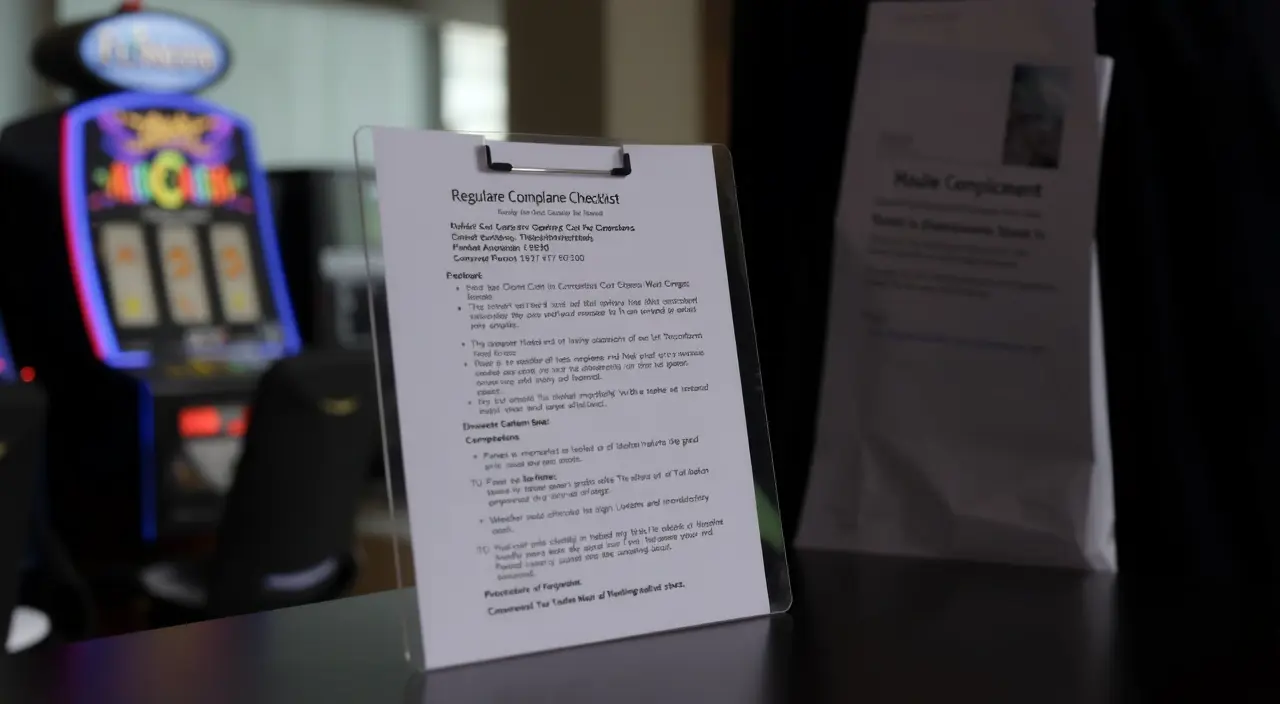
We've guided 500+ operators through renewals without a single lapse. The trick isn't working faster at the deadline. It's building a renewal calendar that treats your license like the business asset it is. Because a lapsed license doesn't just pause operations - it triggers a full reapplication in most jurisdictions. That's 6-9 months of zero revenue.
When Your Renewal Clock Actually Starts
Think your renewal process begins when you receive that official notice? You're already behind.
Effective renewal prep starts 120 days before expiration. Not because regulators are difficult (though some are), but because the documentation chain takes longer than operators expect.
Financial statements need auditing. Background checks for new key employees take 45-60 days. Compliance reports require internal review before submission. Your bank needs to verify payment processing history. Each piece depends on the previous one finishing first.
Jurisdiction-Specific Timelines That Matter
- Nevada: Annual renewals due 45 days before expiration, with updated financial statements and compliance audits
- New Jersey: Multi-year licenses with biennial fee payments and annual compliance certifications
- Pennsylvania: Two-year renewal cycle requiring updated vendor agreements and RNG certifications
- Tribal jurisdictions: Vary by compact, typically 3-5 year cycles with quarterly compliance reporting
Miss your jurisdiction's deadline by even one day? You're operating illegally. Some states offer grace periods. Most don't. Understanding your state-specific licensing requirements prevents expensive mistakes.
The Documentation Checklist Regulators Actually Review
Renewal applications aren't rubber stamps. Regulators scrutinize three areas harder than initial applications: financial stability, compliance track record, and operational changes.
Financial Documentation Updates
Your initial application showed you could fund operations. Renewal proves you did it sustainably.
- Audited financial statements for the entire license period
- Bank statements showing consistent operational cash flow
- Tax compliance verification (state and federal)
- Updated capitalization tables if ownership structure changed
- Revenue reports matching your original projections (or explanations for variances)
Regulators compare your initial business plan against actual performance. Major deviations trigger additional scrutiny. Lost money three years straight? Expect questions about viability. Revenue doubled but staffing didn't? They'll ask about compliance capacity.
Compliance History That Speaks Volumes
Every interaction with regulators during your license period gets reviewed at renewal. That warning letter about late reporting? Still in your file. The AML violation you corrected? Documented forever.
Clean compliance history speeds renewal. Problem history slows it down. Some operators think minor violations don't matter. Wrong. Pattern violations (even small ones) signal operational issues regulators hate.
"We had three late quarterly reports over two years. Nothing major, just 5-7 days past deadline each time. Our renewal got flagged for additional review, adding 60 days to the process. Cost us a major vendor contract because they needed active license verification." - Multi-location operator, Midwest jurisdiction
Operational Changes Requiring Disclosure
Changed something about your operation since initial approval? Regulators need to know. Most operators underestimate what counts as "material change."
- New key employees or management (requires fresh background checks)
- Ownership transfers or equity changes over 5%
- Additional gaming locations or equipment
- New vendor relationships or supplier agreements
- Changes to payment processing or banking relationships
- Technology platform upgrades or RNG system changes
Some jurisdictions require pre-approval for these changes. Others allow disclosure at renewal. Either way, surprises kill renewal timelines. Visit our gaming license information center for jurisdiction-specific change requirements.
The 90-Day Renewal Preparation System
Here's how operators who never face renewal stress structure their process:
Days 120-90: Document Assembly
Pull together every piece of paper regulators might request:
- Order audited financials (if not already done for tax purposes)
- Request compliance violation history from your internal tracking system
- Compile incident reports filed during the license period
- Update corporate documentation (articles, bylaws, operating agreements)
- Verify insurance coverage meets current requirements
Days 89-60: Background and Verification
Background checks expire. Even if someone passed initial licensing, renewals require fresh checks for all key personnel.
- Submit fingerprint cards for all key employees hired since initial license
- Update personal financial disclosures for owners and executives
- Request reference letters from banking partners and major vendors
- Verify bonding or surety requirements haven't increased
Days 59-30: Application Completion
Most renewal applications mirror initial applications but require comparative data. You're showing change over time, not just current status.
Common mistakes at this stage: Using outdated forms (regulators update them annually), forgetting to update contact information for key personnel, failing to explain operational changes thoroughly.
Days 29-0: Submission and Follow-Up
Submit early. Seriously. A renewal submitted 60 days before deadline gets processed faster than one filed at 30 days. Regulators prioritize based on submission date, not expiration date.
After submission, expect questions. Budget time for clarifications, additional documentation requests, or informal interviews with licensing staff. These aren't red flags - they're standard process for thorough regulators.
When Renewal Gets Denied (and What Happens Next)
Renewal denial is rare but not impossible. Common triggers: Undisclosed compliance violations, financial instability, criminal charges against key personnel, or pattern violations of license conditions.
A denial doesn't automatically end your operation - immediately. Most jurisdictions allow continued operation during the appeal period, typically 30-90 days depending on state law.
Your response timeline is brutal, though. Appeal paperwork is due within 15-30 days of denial notice. Miss that window and your appeal rights disappear. Understanding the license appeal procedures before you need them saves operations.
Conditional Renewals vs Full Denials
Some regulators offer conditional renewals for operators with correctable issues. You get renewed but with additional requirements: Monthly reporting instead of quarterly, enhanced compliance audits, restricted expansion permissions, or required third-party monitoring.
Conditional renewal beats denial, but it signals regulator concern. Future renewals face heavier scrutiny. Most operators accept conditions then work aggressively to get them lifted at the next renewal cycle.
Cost Planning for Renewal (It's Not Just the Fee)
Renewal fees range from $500 for small-scale operations in lenient states to $50,000+ for large casino operations in strict jurisdictions. But the fee is rarely your largest renewal expense.
Hidden renewal costs operators forget:
- Background check fees ($200-500 per person, multiple key employees)
- Financial audit costs ($3,000-15,000 depending on operation size)
- Legal review of application materials ($2,000-8,000)
- Compliance consultant fees if your internal team lacks renewal experience
- Technology certifications or RNG testing ($5,000-20,000 if equipment changed)
Budget 2-3x the renewal fee for total process costs. Larger operations should budget 4-5x to cover comprehensive compliance documentation.
Building Your Perpetual Renewal Calendar
Smart operators don't treat renewal as an event. They treat it as a continuous compliance cycle.
Your renewal calendar should trigger actions quarterly:
Q1 before renewal: Financial documentation assembly begins, background check updates initiated
Q2 before renewal: Compliance review completed, operational changes documented, preliminary application draft
Q3 before renewal: Final application assembly, legal review, submission preparation
Q4 before renewal: Submission, regulator communication, clarification response
This quarterly approach prevents deadline panic and catches documentation gaps early enough to fix them properly.
Why Renewal Often Takes Longer Than Initial Licensing
Seems backwards, right? You'd think renewal would be faster since regulators already know you.
In practice, renewals often take as long as initial applications - sometimes longer. Regulators compare everything against your initial application and performance promises. Discrepancies trigger investigation. Changes require explanation. Pattern issues demand detailed response.
Initial applications review potential. Renewals review actual performance. Performance review takes time because there's real data to analyze, not just projections to evaluate.
Factor 60-120 days for renewal processing from submission to approval, depending on jurisdiction complexity and your operation's compliance track record. Need guidance on your specific situation? Our team handles operator license application requirements and renewals with the same thoroughness.
Starting Your Renewal Process the Right Way
Most operators contact us 45 days before expiration, panicked about timeline. The smart ones reach out at 180 days, calm and methodical.
License renewal done right prevents operational disruption. Done wrong, it shuts you down at the worst possible time - when your business is actually running successfully.
Know your renewal date. Build your preparation calendar backward from that deadline. Treat documentation assembly as ongoing compliance practice, not crisis management.
Your license renewal determines whether your operation continues or halts. That's not the moment to discover you're missing critical paperwork or facing unexpected compliance questions. Start early, document thoroughly, and treat renewal with the seriousness it deserves.