
Common Application Mistakes That Derail Gaming Licenses (And How to Avoid Them)
Here's the reality: most gaming license applications don't fail because of bad business plans. They fail because of preventable paperwork mistakes that regulators see as red flags.
We've analyzed over 300 rejected applications across 12 jurisdictions. The pattern is brutal - 67% get kicked back for the same seven errors. Errors that cost operators an average of $52,000 in resubmission fees, legal consultations, and lost revenue while sitting in bureaucratic limbo.
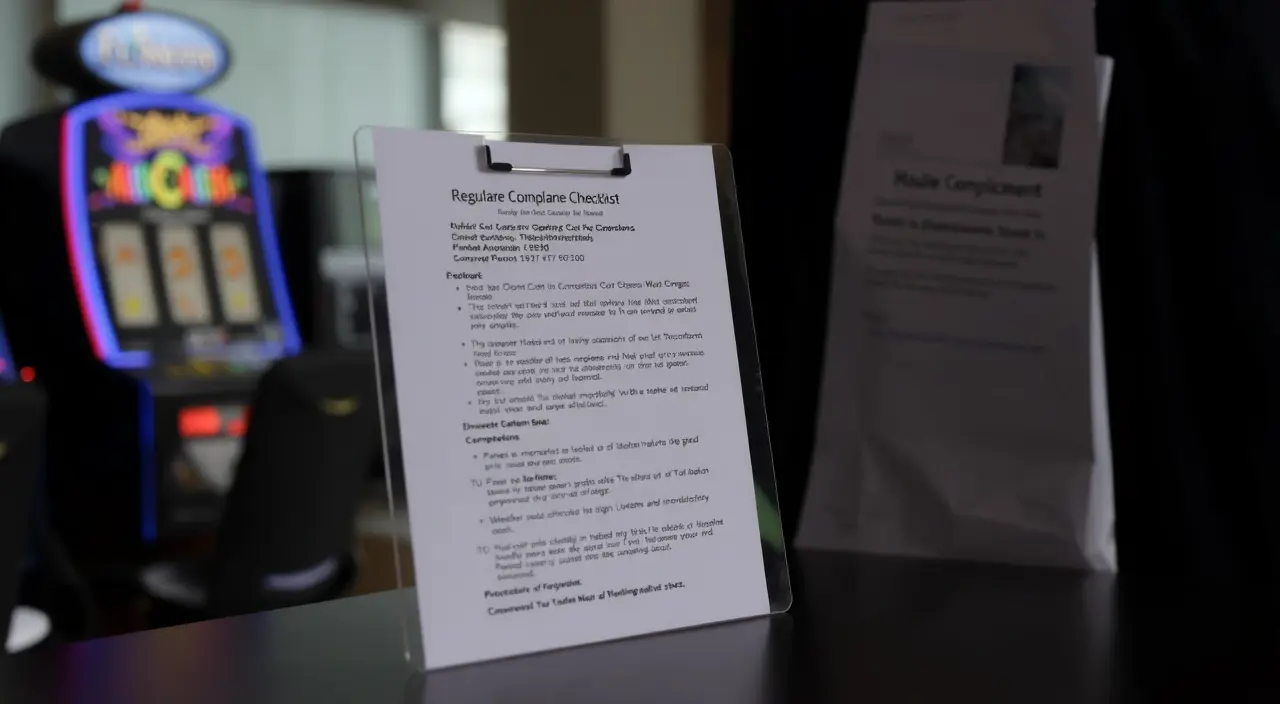
The good news? Every single one is fixable before you hit submit. Let's walk through what actually tanks applications, starting with the mistake that accounts for 23% of all rejections.
Mistake #1: Incomplete Financial Documentation (The 23% Killer)
Regulators don't just want to see you have money. They want proof of legitimate source of funds going back 3-5 years. Most operators think a bank statement covers it.
It doesn't.
What actually triggers rejections:
- Missing transaction explanations - Any deposit over $10K needs documented origin. "Wire transfer from investor" won't cut it. They want investment agreements, tax returns, proof the investor's funds are clean.
- Inconsistent financial narratives - Your business plan says $500K startup capital, but bank statements show $200K with no explanation of the gap.
- Commingled personal/business funds - Using your personal account for business expenses during startup phase? Regulators see money laundering risk.
- Unexplained cash deposits - Even $5K in cash raises questions. Document every single one or they'll assume worst-case scenario.
Real example: A Nevada operator's application sat in review for 11 months because they couldn't document a $75K wire from a family member. The money was legitimate - a gift from a retired parent. But without a notarized gift letter, tax records proving the parent's income source, and an affidavit, regulators wouldn't budge. Cost them an entire season of revenue.
The fix is tedious but simple. Before you apply, create a gaming license application resources paper trail for every dollar over $5,000. Invoice, wire confirmation, source documentation. Treat it like an IRS audit before it becomes one.
Mistake #2: Vague or Unrealistic Business Plans
Gaming boards aren't venture capitalists. They don't care if your projected ROI is 300%. They care if your business plan proves you understand jurisdictional compliance requirements and won't go bankrupt in year one.
What kills applications:
- Generic market analysis - Copying census data about "gaming growth trends" without explaining your specific competitive advantage in that zip code.
- Fantasy projections - Claiming you'll hit $2M revenue in month three when comparable venues in that jurisdiction average $400K annually.
- No compliance budget - Your financial model doesn't account for ongoing testing fees, annual renewals, or mandatory reporting software. Instant red flag that you don't know the real costs.
- Missing risk mitigation - No plan for responsible gaming measures, no mention of self-exclusion programs, zero discussion of how you'll handle problem gambling incidents.
Think of your business plan as proof you've done homework on state-specific licensing requirements, not as a pitch deck. Regulators want boring competence, not ambitious vision.
The Business Plan Sections That Actually Matter
Skip the mission statement fluff. Focus here:
- Compliance infrastructure - Who's your designated compliance officer? What's their background? How will you maintain KYC/AML protocols daily?
- Vendor relationships - List every supplier, their license status, and why you chose them. "We're using XYZ slot provider because they're tier-1 certified in our jurisdiction and have a 99.7% uptime record."
- Local economic impact - How many jobs? Average wages? Tax revenue projections? Gaming boards care about this more than your profit margins.
- Operational contingencies - What happens if your revenue is 30% lower than projected? Do you have 12 months operating reserve or will you fold in quarter two?
Mistake #3: Background Check Landmines
Here's what most operators don't realize: gaming background checks go deeper than FBI fingerprints. They're looking at your entire financial and personal history for "good moral character."
Automatic disqualifiers vary by state, but these consistently trigger problems:
- Undisclosed civil judgments - That lawsuit from a former business partner eight years ago? They'll find it. Not disclosing it yourself makes them assume you're hiding worse.
- Tax liens or bankruptcies - Even resolved ones need explanation. Regulators want to know you won't run their licensed operation into the ground.
- Association with excluded persons - If your investor, consultant, or even your accountant has past gaming violations, it taints your application. Yes, even if you didn't know about their history.
- Inconsistent addresses/employment history - Gaps in your work timeline or unexplained moves trigger "what were they doing?" questions.
Pro move: Run your own background check before applying. Use the same databases gaming boards use (Lexis-Nexis, CLEAR, ChoicePoint). Find your skeletons before they do, then proactively address them in your application narrative.
Mistake #4: Wrong Entity Structure for Your Jurisdiction
Setting up an LLC because it's simple? Some states require gaming operators to be C-corps for transparency reasons. Forming out-of-state for tax benefits? That can trigger additional scrutiny or outright rejection in jurisdictions that require local incorporation.
Entity structure mistakes we see constantly:
- Using a holding company without disclosing ultimate beneficiaries - Regulators want to see through every layer. If your operating company is owned by a parent corp owned by a trust, they'll demand documentation on every entity and every individual with 5%+ ownership.
- Partnership agreements with vague control provisions - Who has final say on compliance decisions? If your operating agreement is ambiguous, they'll reject until you clarify.
- Offshore entities in the ownership chain - Even legal offshore structures (like a Cayman holding company) raise money laundering flags. Some states flat-out prohibit them.
The step-by-step operator license application process should include legal structure review before you file formation docs. Restructuring after applying adds 4-6 months to your timeline.
Mistake #5: Equipment Compliance Documentation Failures
You can't just buy slot machines and plug them in. Every piece of gaming equipment needs certification proving it meets technical standards for that jurisdiction.
Where operators mess up:
- Assuming manufacturer certification transfers - That slot certified for Nevada? Worthless in New Jersey without separate NJ-specific testing. Each jurisdiction has different RNG requirements, payout verification standards, and reporting protocols.
- Missing chain-of-custody documentation - If you bought used equipment, regulators want proof of where it's been, who owned it, and verification it hasn't been tampered with.
- No maintenance/testing schedule - Your application needs a detailed plan for ongoing equipment compliance. How often will you test RNG integrity? Who's doing it? What's your protocol if a machine fails testing?
- Incomplete vendor licenses - Your slot supplier needs to be licensed in your jurisdiction too. If their paperwork isn't current, your application stalls.
Before you invest in equipment, review the full equipment compliance standards for your state. Buying non-compliant machines is a $200K mistake we see quarterly.
The Testing Lab Trap
Not all gaming labs are approved in all jurisdictions. Using a non-approved lab means you'll have to retest everything, which costs $15K-$40K per machine and adds 90+ days to your timeline.
Verify lab approval before you pay for testing. Period.
Mistake #6: Inadequate AML/KYC Protocols
Anti-money laundering compliance isn't optional, and "we'll figure it out after approval" doesn't fly. Your application needs detailed, documented procedures for:
- Customer identification - What ID will you collect? How will you verify it? Where will you store it? How long will you retain it?
- Transaction monitoring - What dollar thresholds trigger enhanced due diligence? How will you identify structuring attempts (breaking up transactions to avoid reporting)?
- Suspicious activity reporting - Who's your designated SAR filing officer? What's their training? What's your internal escalation process?
- Record retention - Most jurisdictions require 5+ years of transaction records. Your application needs to explain your data management system.
Real talk: if your AML section is under three pages, it's not detailed enough. Regulators expect to see that you've thought through every scenario, not that you'll "implement industry best practices."
Mistake #7: Missing the Application Deadline Details
This sounds basic, but timing mistakes cost operators constantly:
- Submitting incomplete applications - Many jurisdictions won't review until 100% of documentation is submitted. That "we'll send the last piece next week" approach? Your application doesn't enter the queue until everything's in.
- Not accounting for background check processing time - Fingerprinting alone can take 6-8 weeks. If you submit your application before background checks are complete, some states restart your review clock.
- Missing renewal deadlines - Licenses expire. If your temporary permit runs out before your full license is approved and you didn't file renewal paperwork 60 days in advance, you're operating illegally.
- Ignoring public comment periods - Some jurisdictions require 30-day public notice before approval. Not factoring this into your timeline means your "90-day approval" actually takes 120+ days.
The Real Cost of Getting It Wrong
Let's talk dollars. A rejected application typically costs:
- $8,000-$25,000 in non-refundable application fees (lost)
- $15,000-$40,000 in legal fees to diagnose problems and refile
- $30,000-$100,000 in lost revenue during the 4-6 month delay
- $5,000-$15,000 in additional background check fees if you had to add disclosed items
That's $58K-$180K per rejection. And that's assuming you catch everything on the second try.
Compare that to working with specialists who've seen these mistakes 300+ times. The cost difference isn't even close.
How to Actually Avoid These Mistakes
Here's the unglamorous truth: thorough applications take 3-4 months to prepare properly. If you're rushing to submit in 30 days, you're going to miss something.
Our checklist for clean applications:
- Start financial documentation 6 months before filing - Get source-of-funds paperwork organized early, when you can still track down bank statements and tax records.
- Run pre-application audits - Hire a compliance consultant to review your draft application with regulator eyes. Find your weak points before submission.
- Build in buffer time - If your business plan assumes a 90-day approval, you need your application ready 120 days before your target launch date.
- Document everything in real-time - Don't try to recreate your business's financial history retroactively. Keep compliance documentation as you go.
- Test your equipment before buying - Verify certification status before purchase, not after you've sunk $200K into machines.
When to Get Professional Help
You don't need consultants for everything. But if you're checking more than two of these boxes, you're in dangerous territory:
- This is your first gaming license application
- You have any past financial issues (bankruptcy, liens, judgments)
- Your ownership structure includes multiple entities or trusts
- You're applying in a tier-1 jurisdiction (Nevada, New Jersey, Pennsylvania)
- Your timeline is tight (less than 6 months to target launch)
The cost of expert guidance is a rounding error compared to the cost of rejection. We're talking $15K-$30K in consulting fees versus $58K-$180K in rejection costs.
Most operators stumble at the documentation stage. You don't have to. Get your application right the first time, or be prepared to explain to your investors why you're burning cash with no revenue for an extra six months.
Your choice.